Licensed health tourism facilitator · Ministry of Health authorisation AK-0706 · by Veon Health WhatsApp in English, Українська, Deutsch, Français, العربية
Part ofVeon Health
Get my assessment
No-touch surface laser

Trans-PRK laser eye surgery in İstanbul

Trans-PRK corrects short-sight, long-sight and astigmatism on the surface of the eye, with no cut and no flap. The surface skin regrows, so the first 3–4 days are sore and vision clears over 1–2 weeks. You fly home on day 3, the day after treatment. With us it costs from €810 per eye, including your exam and aftercare. With 2 hotel nights and airport transfers, the package is €1,485 for both eyes.

Price from
€810 per eye€1,215 both eyes · package €1,485
In İstanbul
3 days2 nights in a hotel
Clear vision
Over 1–2 weekssore for the first 3–4 days
Contact sport
No flap to knockyour surgeon gives you the date
Treats
Long-sight tooplus short-sight and astigmatism
Not for
Keratoconusor very high prescriptions

An eye surgeon reviews your prescription and replies with a written plan. No obligation.

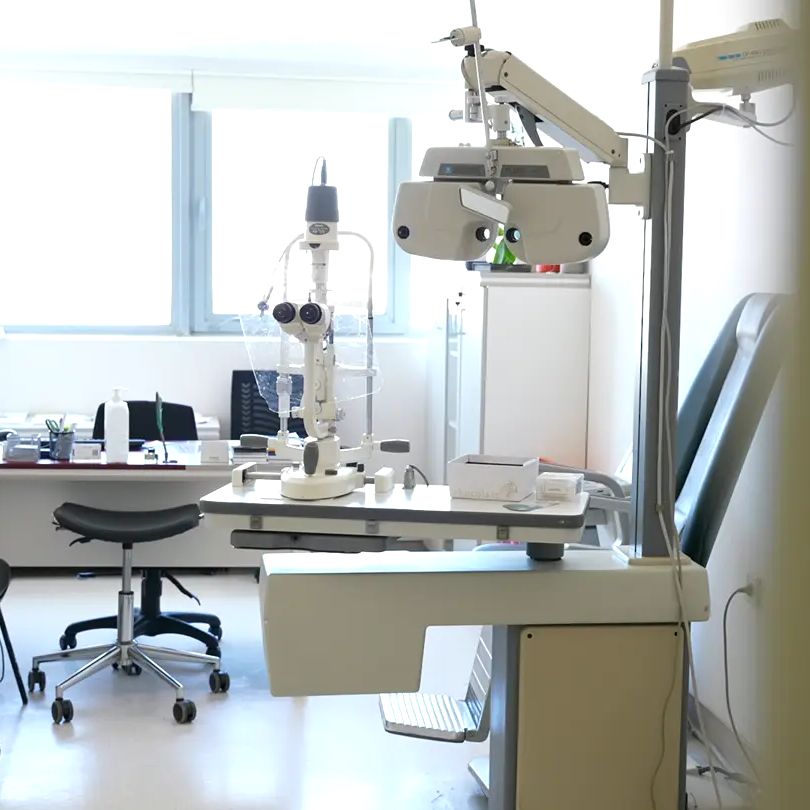
An eye examination room with a slit lamp and a phoropter in the eye clinic of Maltepe University Hospital
0 mm
No cut, no flapThe laser works on the surface only
How it works

Surface laser. No cut, no flap.

Trans-PRK reshapes the front of your cornea from the outside. The laser clears the thin surface skin, called the epithelium, and reshapes the cornea underneath. The skin grows back within a few days.

  1. The laser clears the thin surface skin

    In one continuous treatment, it removes the epithelium over the area it will reshape. No blade touches your eye and no flap is made, which is why it is called no-touch.

  2. It reshapes the cornea underneath

    The same laser removes a precise amount of tissue, planned from your scans, so your cornea focuses light correctly. It treats short-sight, long-sight or astigmatism.

  3. A soft bandage lens protects the eye while it heals

    A clear contact lens sits on each eye while the skin regrows. You fly home with it in, and it usually comes out after a few days.

Both eyes in one sessionNumbing drops, no injectionsNo flap to protect later

Where each laser works

Seen from the front. Teal shows the cut, or the surface area the laser treats.

Trans-PRK No cut. The laser treats the surface, which regrows in a few days
LASIK A hinged flap is lifted, then laid back
Is it for me?

Who Trans-PRK suits, and who it does not.

Your surgeon decides after scanning your corneas. These are the usual limits, so you know where you stand before you send anything.

Usually a good fit if you

  • Are 18 or over and your prescription has been stable for at least a year
  • Are short-sighted, long-sighted or have astigmatism, within the range your surgeon confirms from your scans
  • Have been told your corneas are on the thin side for LASIK: with no flap, Trans-PRK often still works
  • Play contact sports or martial arts, or work somewhere an eye could be knocked
  • Can plan for a slower first week at home: you fly home on day 3 with the bandage lenses still in

Something else may suit you better if you

  • Need clear vision within a day or two: LASIK recovers faster
  • Have a very high prescription or very thin corneas: EVO ICL is often the answer
  • Are over 45 and need reading glasses: laser does not fix reading vision, lens replacement can
  • Have keratoconus or early signs of it: laser is usually not advised, and a specialist should assess your corneas first
  • Are pregnant or breastfeeding, or have an untreated eye condition: wait, or talk to your surgeon

60-second self-check

0 of 5

Five questions. No contact details needed.

How old are you?
What do your glasses help with?
How strong is your prescription, ignoring the − or +?
Does any of these apply to you?
Has your prescription changed in the last 12 months?

This is a first indication, not a diagnosis. Only a surgeon can confirm what suits you, after reviewing your prescription and scans.

Send my prescription to a surgeon
Compare

Trans-PRK or LASIK?

Both reshape the cornea with a laser. Trans-PRK trades a slower first week for no cut and no flap.

Compare all treatments
FeatureTrans-PRKThis pageLASIKFlap laser
How it worksLaser on the surface, no cutThin flap lifted, laser underneath
OpeningNone, the surface regrowsA hinged flap
TreatsShort-sight, long-sight, astigmatismShort-sight, long-sight, astigmatism
Thinner corneasOften still possibleOften not advised
Clear visionOver 1–2 weeksNext day for most
DiscomfortSore for 3–4 daysScratchy for a few hours
Contact sportsOnce healed and your surgeon agreesAfter about 4 weeks
Dry eyesUsually milder than LASIKMore common, usually temporary
In İstanbul3 days3 days
Pricefrom €810per eye · €1,215 bothfrom €810per eye · €1,620 both
Typical figures. Your surgeon's advice for your eyes comes first.Ask a surgeon which suits you
Price

Your price, agreed in writing before you fly.

Confirmed in writing after your surgeon review. It only changes if your surgeon recommends a different treatment and you agree.

from€810per eye

Trans-PRK with Eye Health Turkey: €1,215 for both eyes.

İstanbul, with us
€810
UK, Optical Express (LASEK)
€630
UK, Optegra (LASEK)
€1,720
UK, London Vision Clinic
€3,390

Your package, one eye

Trans-PRK treatment, exam and aftercare
€810
Hotel, 2 nights at €80 a night
€160
Airport transfers, both ways
€110
Package price
€1,080

Your hotel nights are one fewer than your days in İstanbul. Flights are not included.

How you payA deposit holds your dates. The rest is paid in İstanbul after your exam, by card or bank transfer.
Your exact priceYour written plan shows your exact figure, for the treatment your surgeon recommends.

Same unit on every line. UK figures are the clinics' published surface laser prices per eye, checked October 2026: Optical Express LASEK from £549; Optegra LASEK £1,495; London Vision Clinic from £2,950. UK "from" prices may apply to some prescriptions only, so ask any clinic for the price for your eyes. Both eyes cost less than twice the per-eye price. The bars compare treatment prices. Your package adds 2 hotel nights and airport transfers in İstanbul; flights are not included. Our prices are set in euros, and the euro price is the one that applies; pound figures, and the UK prices when shown in euros, are approximate conversions at €1.15 to £1.

Who does what, and how we are paid

So you know exactly who is responsible for what
Eye Health Turkey
Plans and coordinates your trip

Licensed facilitator (AK-0706), part of Veon Health. We are not a clinic and do not give medical advice.

Partner hospital
Examines and treats you

Your surgeon is responsible for your medical care, consent and follow-up.

How we are paid
A commission from the hospital

It is part of the package price. You pay nothing extra to us.

If something goes wrong
A written policy

Who treats you, who pays, and how travel is arranged. Read it before you book.

Your trip

Three days in İstanbul, day by day.

Everything medical is agreed before you book a flight. In İstanbul, your coordinator is with you at every appointment. The sore first days carry on at home, so plan a quiet few days after you land.

Where you stay
Before you flyAt home
  1. Surgeon reviewSend your prescription. You get your options and a written price.
  2. Video call with your surgeonAt least 7 days before you fly, so you have time to think it over.
  3. Contact lenses outSoft lenses about a week before your exam, rigid lenses longer. We send exact dates.
Day 1

Arrive and full eye exam

  • MorningMet at the airport, driven to your hotel
  • AfternoonExam at the hospital, about 2–3 hours: scans, corneal thickness, dry-eye check, eye pressure, retina
  • EveningMeet your surgeon, confirm the plan, sign consent in English
Day 2

Treatment day

  • MorningAt the hospital for a few hours in total, with your coordinator
  • LaserBoth eyes in one session, then bandage lenses in
  • AfternoonBack to the hotel to rest with your eyes closed. Soreness builds as the numbing wears off
Day 3

Check-up and fly home

  • MorningYour surgeon checks your eyes, with the bandage lenses still in, and confirms you are fit to fly
  • ThenDrops, pain relief, a written care plan and your records in English, then transfer to the airport
  • LensesThey usually come out after a few days, once you are home
  • HomeRest with your eyes closed. Message your coordinator when you land; your first video check is in a week

What if plans change?

The four questions patients ask most before they book. Each one has a plan.

Ask your coordinator

The exam shows I am not suitable

Your surgeon explains why and offers an alternative if one suits your eyes, such as EVO ICL. If none does, you do not go ahead.

Deposit refunded in full

The first days are sorer than I expected

Soreness for 3–4 days is normal after surface laser, and you have drops and pain relief for it. Strong pain or a sudden drop in vision is checked straight away.

Your coordinator tells you who to call at night

My surgeon asks me to stay longer

If your surgeon wants to see your eyes again before you fly, we plan the extra nights with you, extend your hotel at cost and rearrange your transfer.

Hotel and transfer rearranged

I want to bring someone with me

We recommend it for Trans-PRK, as your eyes are sore and light-sensitive for the first days, including the flight home. A companion can share your room and come to every appointment.

No medical paperwork needed
Recovery

What the first weeks feel like.

The first days after Trans-PRK are the hardest part, and then it gets steadily easier. This is what is typical. Your surgeon gives you your own written plan.

  1. First evening

    Sore, watery and sensitive to light

    The numbing drops wear off as the surface starts to heal. Rest with your eyes closed and use the drops and pain relief your surgeon prescribes.

  2. Next morning

    Check-up, then the flight home

    Your surgeon checks your eyes with the bandage lenses still in and confirms you are fit to fly. Keep your drops and pain relief in your hand luggage.

    Flying homeSunglasses onNo rubbing
  3. Days 1–3 after treatment

    The hardest part: sore and blurry

    Expected while the surface skin regrows under the bandage lens, mostly at home. Audiobooks and podcasts are easier than screens. The bandage lenses usually come out after a few days.

    Showering, eyes closedShort walks with sunglassesNo swimming yet
  4. Days 4–7 after treatment

    Getting clearer, day by day

    Most people can read their phone and watch TV. Vision keeps clearing over 1–2 weeks and can change from day to day.

    Desk work, with breaksNo eye make-up yet
  5. Weeks 1–2

    Driving, once your vision meets the standard

    Your check-up confirms when you can drive. Contact sport returns once the surface has healed and your surgeon agrees.

    Gym and running
  6. Months 1–3

    Vision keeps sharpening

    After surface laser, sharpness can keep improving for several weeks. Use your drops exactly as written: they help the surface heal clear.

Who checks your eyes after you fly homeTrans-PRK
  1. Day 3
    Final check in İstanbul

    Your surgeon checks your eyes, with the bandage lenses still in, and confirms you are fit to fly. The lenses usually come out after a few days. Ask your coordinator before you book who removes them once you are home.

    In clinic
  2. Week 1
    First check from home

    Video call with your surgeon's team.

    Video
  3. Month 1
    Vision and eye-health check

    By video, or at a partner optometrist where we have one near you.

    Optometrist
  4. Month 3
    Results review

    Your surgeon reviews your vision and scans.

    Video
  5. Month 12
    Final review

    Records in English for your own optician.

    Video
If you need a top-up treatment, the written policy says who pays and how travel is arranged.
Enhancement and complication policy
Risks

Risks and side effects, explained plainly.

Every eye operation carries some risk. Your surgeon goes through yours with you before you book. The written risks and the consent form are in English, and your coordinator takes you through them in your language.

Common, temporary

Pain in the first days

Expected while the surface regrows, and more than after LASIK. It usually eases after 3–4 days; drops and pain relief help.

Common, temporary

Dry eyes

Usually settles within months with lubricating drops. Typically milder than after LASIK.

Common, temporary

Halos and glare at night

Rings around lights are normal at first and usually fade over the first months. Your surgeon checks them at your follow-up.

Uncommon

Corneal haze

A faint cloudiness as the surface heals, which can blur vision. Your surgeon looks for it at your checks and treats it with drops if needed.

Uncommon

Under- or over-correction

A few people need a small top-up treatment once their vision has fully settled.

Rare

Infection or inflammation

The healing surface needs clean hands and careful drops. Treated with drops when caught early, which is why your check-ups matter.

Your surgeon will tell you if your exam shows a higher risk, even if it means no treatment.

Risks of all eye treatments
Who treats you

Know your surgeon before you book.

Your written plan names your surgeon, with their qualifications and surface laser experience. You talk to them on video before you fly.

Surgeon profile
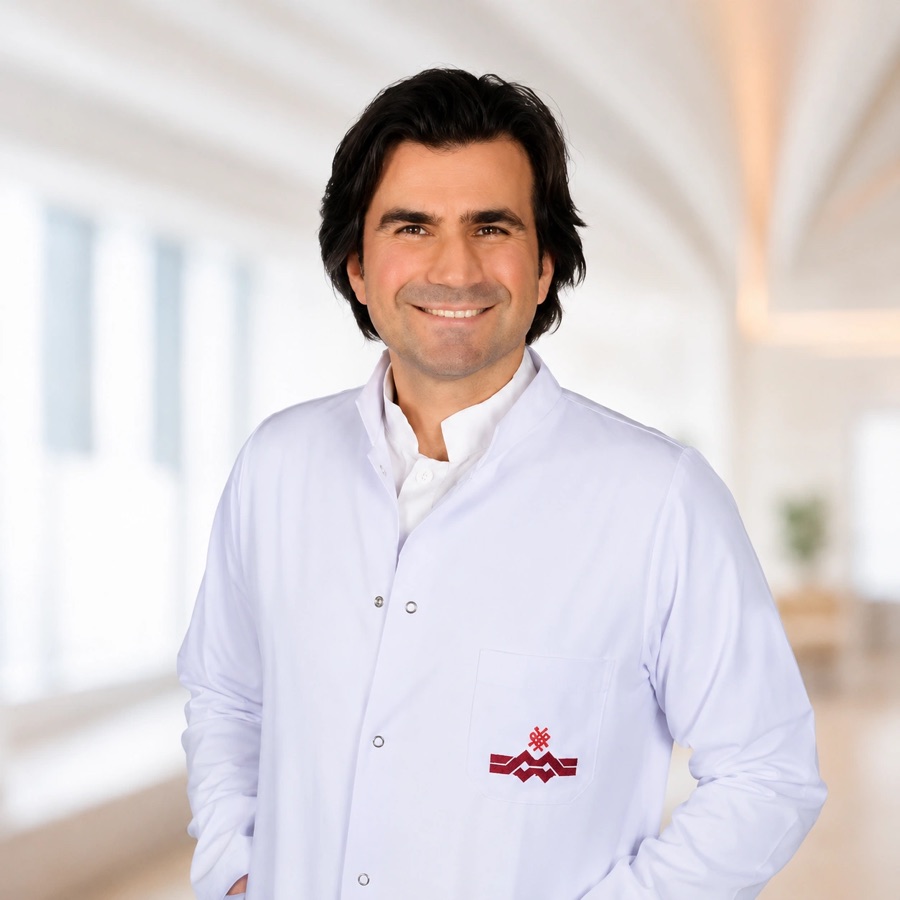
Prof. Dr. Çağatay Çağlar, ophthalmologist

Prof. Dr. Çağatay Çağlar

Ophthalmologist at both partner hospitals
Qualified
Ondokuz Mayıs University
Languages
Turkish, English
Operates at both partner hospitals · Profile at Maltepe University Hospital
Questions

Trans-PRK questions, answered.

How much does Trans-PRK cost in Turkey?

With Eye Health Turkey, Trans-PRK costs from €810 per eye, or €1,215 for both eyes. That includes your exam, treatment and aftercare checks. With two hotel nights (€80 a night) and airport transfers (€110), the package is €1,485 for both eyes. UK clinics publish surface laser prices of £549 to £2,950 per eye, so compare what each price covers for your prescription.

What is the difference between Trans-PRK, PRK and LASEK?

All three are surface laser treatments with no flap. In PRK and LASEK the surface skin is removed first, with an instrument or a mild alcohol solution, and then the laser reshapes the cornea. In Trans-PRK the laser does both steps, which is why it is called no-touch.

Is Trans-PRK painful?

Not during treatment: numbing drops are used, and you feel pressure rather than pain. The first 3–4 days afterwards are sore, gritty and watery while the surface regrows. Your surgeon prescribes drops and pain relief for this.

How long does Trans-PRK take to heal?

The surface heals in a few days under the bandage lenses, which usually come out after that, once you are home. Vision clears over 1–2 weeks and keeps sharpening for several weeks.

Is Trans-PRK better than LASIK?

Neither is better for everyone. Trans-PRK has no flap, so it suits thinner corneas and contact sports, and usually causes less dryness. LASIK recovers faster: most people see clearly the next day. Your surgeon recommends one after your scans.

How long do I stay in İstanbul?

Three days, with two hotel nights. Day 1 is your full exam and scans, day 2 the laser for both eyes in one session, and on day 3 your surgeon checks your eyes and confirms you are fit to fly before you fly home. You fly with the bandage lenses still in. If your surgeon asks you to stay longer, we plan the extra nights with you.

When can I go back to work and drive?

Most people manage desk work after 4–7 days, with screen breaks. You can drive once your vision meets the legal standard, which your check-up confirms. Jobs with dust, water or physical contact may need longer.

Is Trans-PRK good for thin corneas?

Often, because no flap is made, so more of the cornea is left untouched. Your scans show whether there is enough thickness for your prescription. If not, EVO ICL may suit you.

Can I play contact sports after Trans-PRK?

Yes, once the surface has healed and your surgeon agrees. Your surgeon gives you the date at your check-ups. With no flap, there is nothing to dislodge later, which is why it is often chosen for boxing, football and martial arts.

How long do the results last?

The reshaping of your cornea does not wear off. Your eyes can still change with age, and a few people need a small top-up treatment once their vision has fully settled, as the risks section explains. Most people also need reading glasses from their mid-forties, whether or not they had laser.

Find out if Trans-PRK suits your eyes.

Send your prescription. An eye surgeon replies with your options and a written price.

  • A written plan from an eye surgeon
  • Video call with your surgeon before you book
  • No obligation, no pressure
Not ready? Read the patient guide first

Get your Trans-PRK surgeon review

    Your details go only to your coordinator and surgeon. Never to advertisers.

    Thank you. Your coordinator will message you on WhatsApp.

    Next: if you have not added your prescription, your coordinator sends you a secure link to upload it. Your surgeon replies with a written plan.

    Ask about Trans-PRK
    Get my Trans-PRK review