Standard lens
Monofocal
NearMiddleFar
Focuses at one distance, usually far. Most people wear glasses for reading and close work.
From €1,080 per eye
 Part of

 English
 УкраїнськаUkrainian
 DeutschComing soon
 FrançaisComing soon
العربيةComing soon
 EspañolComing soon
Cataract surgery replaces your cloudy natural lens with a clear artificial one. You choose the lens with your surgeon: a standard monofocal lens, or a toric or trifocal lens that can also reduce your need for glasses. The package price depends on the lens. One eye takes 3 days in İstanbul, both eyes 4. It costs from €1,080 per eye with a monofocal lens, including your exam and aftercare. With your hotel and airport transfers, the package is from €1,350 for one eye and €2,510 for both.
An eye surgeon reviews your eye test or report and replies with a written plan. No obligation.

A cataract is a clouding of the lens inside your eye. It builds up slowly, so vision becomes dim or hazy and lights start to dazzle. Glasses cannot clear it. Replacing the lens can.
On day 1, scans measure your eye (biometry), map your cornea and check your retina (OCT). Your surgeon uses them to choose the lens type and its power.
Under numbing drops, the cloudy lens is gently broken up and removed. The folded artificial lens opens in the same natural pocket, called the capsule.
The second eye is usually treated the next day. Vision is often blurry at first and clears over the following days and weeks.
A side view of the eye. Light comes in from the left.
Every lens clears the cloudiness. They differ in how much you need glasses afterwards, and in price. Your surgeon recommends one after your scans, and you decide together. Prices by lens
Focuses at one distance, usually far. Most people wear glasses for reading and close work.
From €1,080 per eye
A monofocal lens, such as Eyhance, designed to add a little middle range. Most people still wear glasses for reading.
€1,350 per eye
Designed for near, middle and far. Halos around lights at night are common at first and usually become less noticeable.
€2,295 per eye
Have astigmatism? Monofocal and trifocal lenses each come in a toric version that corrects it at the same time, so distance vision can be sharper without glasses.
Monofocal toric €1,350, trifocal toric €2,700 per eye
Your surgeon decides after examining your eyes. These are the usual signs and limits, so you know where you stand before you send anything.
If you live in the UK, there are three routes: the NHS, a private UK clinic or a planned trip to İstanbul. Each has real advantages. Here is how they compare, as plainly as we can put it.
| With usİstanbul, your choice of lens | UK privatePremium lens | NHSStandard lens | |
|---|---|---|---|
| Lens | Monofocal, toric or trifocal, as you and your surgeon decide | Your choice, including toric and trifocal | A standard lens |
| Premium lens | Available: the package price depends on the lens | Included in the price you pay | Not available: you cannot pay extra to upgrade an NHS operation |
| Glasses after | Often needed less, depending on the lens | Often needed less, depending on the lens | Usually needed for reading and close work |
| When | Dates you choose, after a surgeon review | Dates agreed with the clinic | Depends on the waiting list in your area |
| Where | İstanbul, 3–4 days, flights extra | Near home, no travel | Near home, no travel |
| Aftercare | Final check in İstanbul, then video and a partner optometrist for 12 months | At the clinic | At your local eye service or optician |
| Price | from €1,080per eye, monofocal · premium lenses €1,350–€2,700 | £3,400–5,000per eye, published | No chargeNHS-funded |
Confirmed in writing after your surgeon review. It only changes if your surgeon recommends a different lens or treatment and you agree.
Cataract surgery with a monofocal lens: €2,160 for both eyes. Other lenses cost more: see prices by lens.
Your hotel nights are one fewer than your days in İstanbul. Flights are not included.
Same unit on every line. UK figures are published private prices for cataract surgery with a premium lens, per eye, from Eye Surgery Clinic UK's 2026 price guide, checked October 2026: toric £3,400–4,500, trifocal £4,300–5,000. The bars compare a trifocal lens with a trifocal lens. Our prices are set in euros, and the euro price is the one that applies; pound figures, and the UK prices when shown in euros, are approximate conversions at €1.15 to £1.
Treatment prices, including your exam and aftercare. Both eyes cost twice the per-eye price. The package adds your hotel and airport transfers: 2 nights for one eye, 3 for both. Your surgeon recommends a lens after your scans, and you decide together.
| Lens | Designed for | Glasses afterwards | Treatment, per eye | Package, one eye |
|---|---|---|---|---|
| MonofocalEnvista, Tecnis, Alcon or Hoya | One distance, usually far | Usually needed for reading | €1,080€2,160 for both eyes | €1,350 |
| Monofocal plusEyhance | Far, with a little more middle range | Usually needed for reading | €1,350€2,700 for both eyes | €1,620 |
| Monofocal toric | One distance, usually far, and corrects astigmatism | Usually needed for reading | €1,350€2,700 for both eyes | €1,620 |
| Trifocal | Near, middle and far | Often needed less | €2,295€4,590 for both eyes | €2,565 |
| Trifocal toric | Near, middle and far, and corrects astigmatism | Often needed less | €2,700€5,400 for both eyes | €2,970 |
Licensed facilitator (AK-0706), part of Veon Health. We are not a clinic and do not give medical advice.
Your surgeon is responsible for your medical care, lens choice, consent and follow-up.
It is part of the package price. You pay nothing extra to us.
Who treats you, who pays, and how travel is arranged. Read it before you book.
Everything medical is agreed before you book a flight. Both eyes take four days: your exam, your first eye, your second eye, then a final check and your flight home. One eye takes three. Your coordinator is with you at every appointment.
The four questions patients ask most before they book. Each one has a plan.
Your surgeon explains why and offers an alternative if one suits your eyes, such as a monofocal lens. If none does, you do not go ahead.
Deposit refunded in fullSome redness, grittiness and blur are normal. Pain, worsening vision or a dark shadow is checked straight away.
Your coordinator tells you who to call at nightWe rebook your transfer and, if needed, extend your hotel at cost. A day longer in İstanbul does your eyes no harm.
Transfer and hotel rearrangedMost patients do, and it helps on the days your vision is blurry. A companion can share your room and sit with you at every appointment.
No medical paperwork neededRecovery is gradual: each eye settles over days, and with a premium lens your brain adjusts to it over weeks. This is what is typical. Your surgeon gives you your own written plan.
Rest at the hotel. Your pupil is still wide from the drops, so light feels bright. Sunglasses help.
Your first eye is checked before the second is treated. Vision can stay hazy for a few days.
Use your drops on time and keep soap and water out of your eyes. Flying is fine once your surgeon confirms it.
Gardening, driving and exercise return as your vision and checks allow. Your surgeon tells you when each one is safe for you.
Colours may look brighter than you remember. With a trifocal, halos usually become less noticeable. If you still need glasses for some tasks, your optician can prescribe them once your eyes have settled.
If your vision slowly clouds again, a quick laser called YAG capsulotomy clears it, usually near home.
Your surgeon checks your eyes and confirms you are fit to fly.
Video call with your surgeon's team.
By video, or at a partner optometrist where we have one near you.
Your surgeon reviews your vision and scans.
Records in English, with your lens make and power, for your own optician or doctor.
Cataract surgery is an operation inside the eye, so it carries some risk. Your surgeon goes through yours with you before you book. The written risks and the consent form are in English, and your coordinator takes you through them in your language.
Normal while the eye heals. Lubricating drops help, and vision usually clears over the first days and weeks.
Rings around lights are common with trifocal lenses at first, and less so with monofocal lenses. They usually become less noticeable with time.
Some people still need glasses for certain tasks, especially if another eye condition limits what a lens can do. Your surgeon will tell you the options.
Called posterior capsule opacification. The thin capsule holding your lens can cloud over months or years later. A quick laser clears it, usually near home.
The retina can come away from the back of the eye. It needs urgent treatment, so you get a written plan for the warning signs: flashes, new floaters or a shadow.
Infection inside the eye is rare but serious. Antibiotic drops and your checks in İstanbul are there to catch any problem early.
Your surgeon will tell you if your exam shows a higher risk, even if it means no treatment.
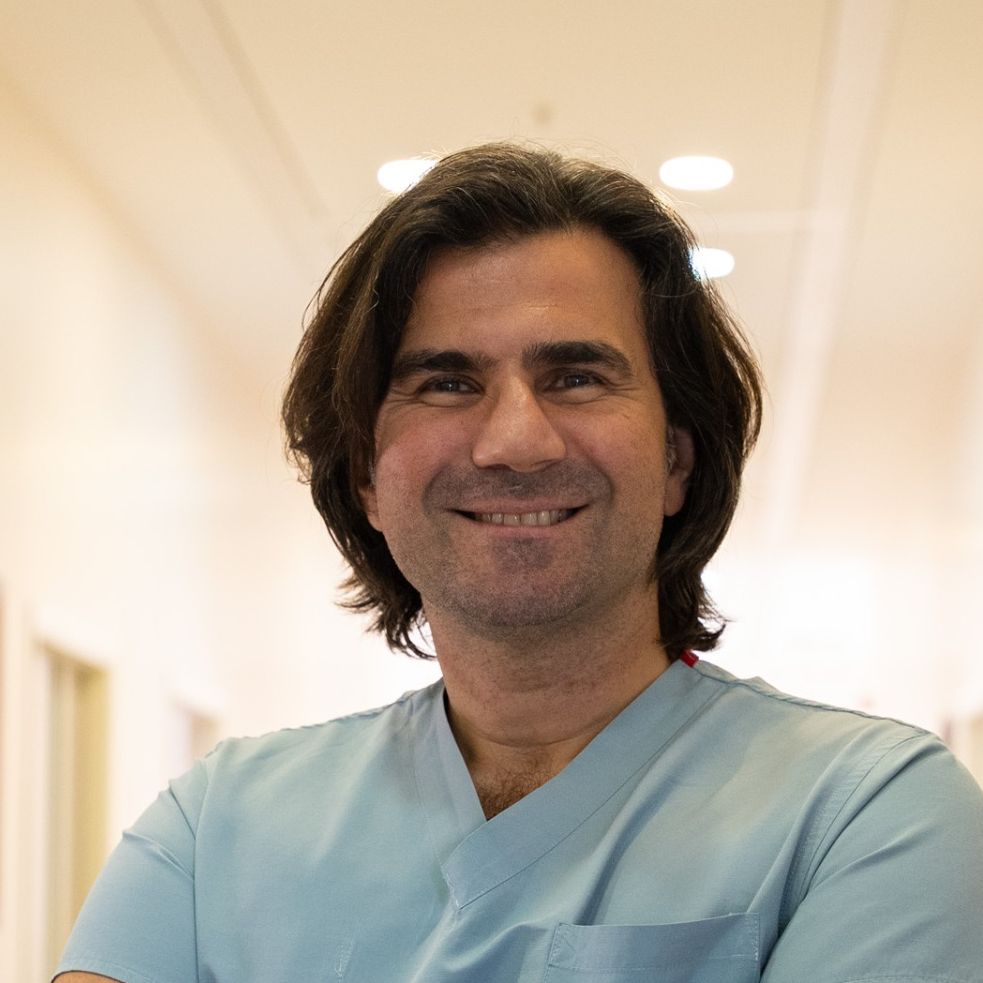
Risks of all eye treatmentsYour written plan names your surgeon, with their qualifications and cataract surgery experience. You talk to them on video before you fly.
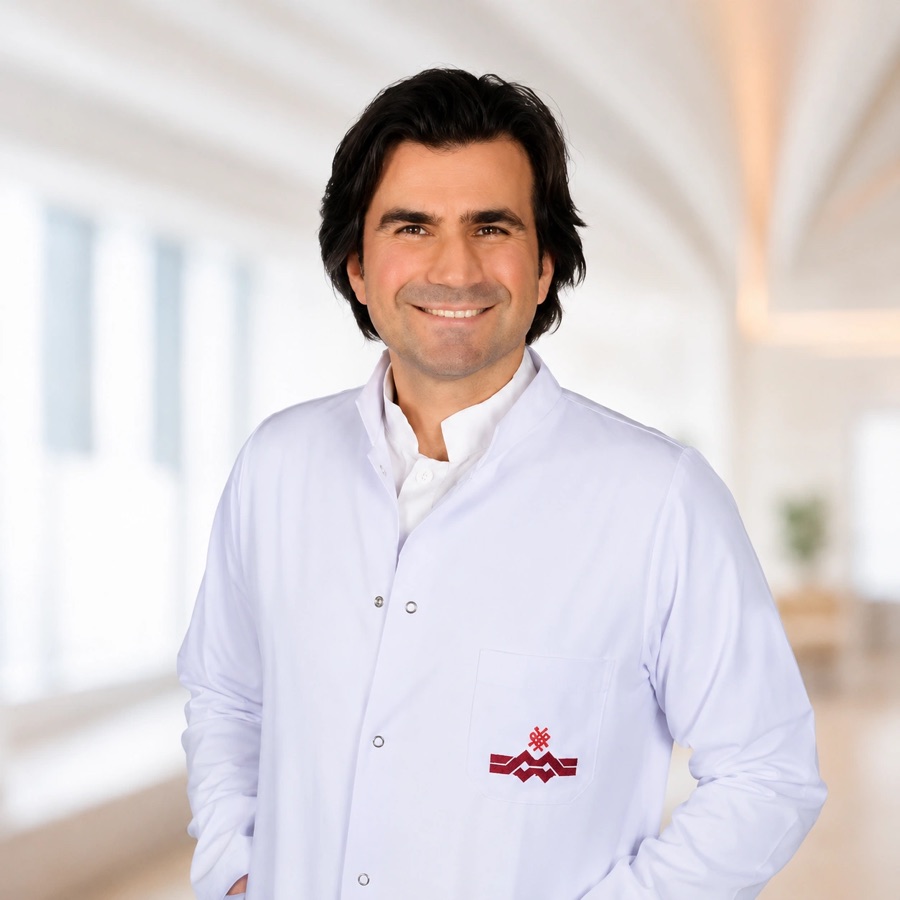
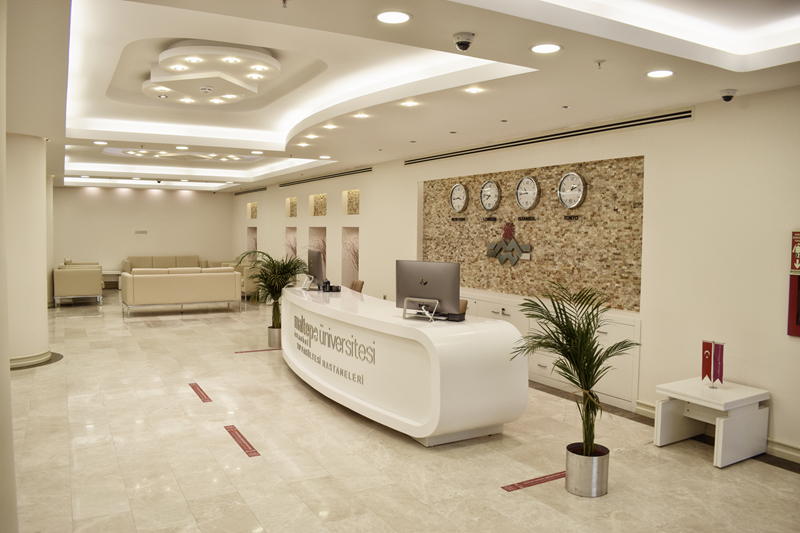 Maltepe University HospitalMaltepe, İstanbul · TEMOS accredited
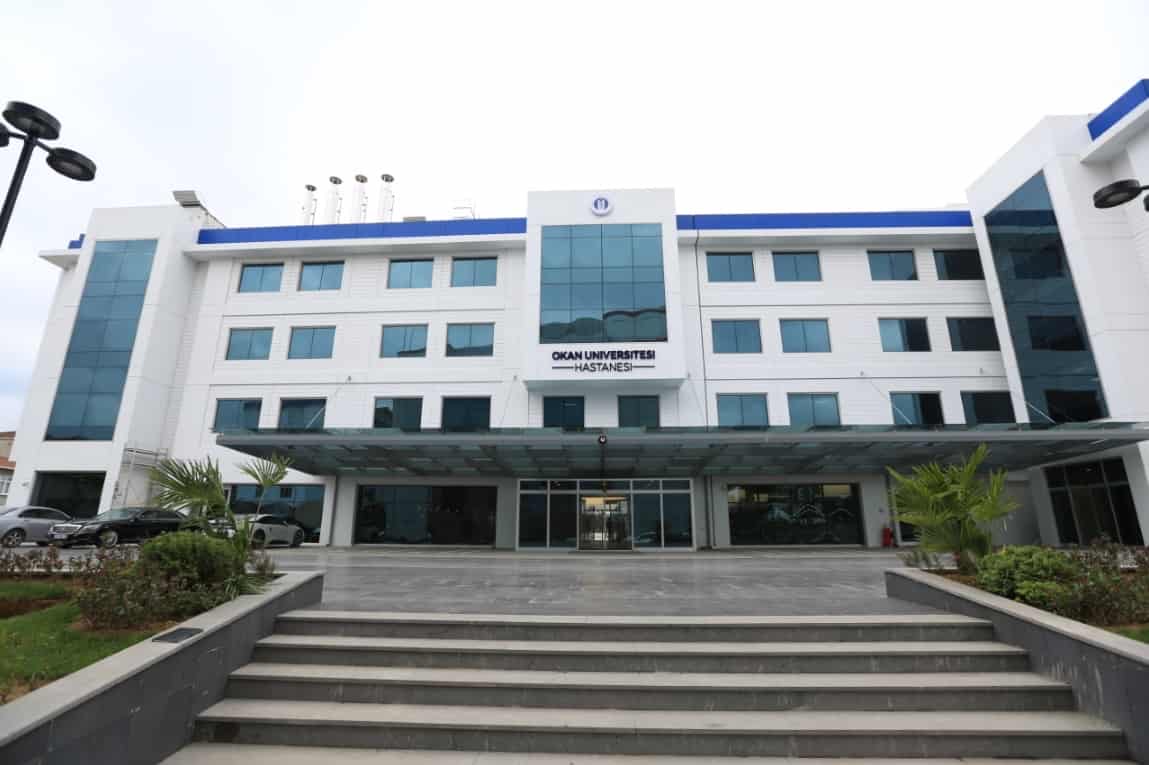 İstanbul Okan University HospitalTuzla, İstanbul · AACI accredited
With Eye Health Turkey, cataract surgery costs from €1,080 per eye with a monofocal lens, or €2,160 for both eyes. The price depends on the lens: monofocal plus (Eyhance) or monofocal toric €1,350, trifocal €2,295 and trifocal toric €2,700 per eye. That includes your exam, surgery, lens and aftercare checks. Your hotel (€80 a night) and airport transfers (€110) are added in the package: with a monofocal lens it is €1,350 for one eye, with 2 nights, or €2,510 for both eyes, with 3 nights. UK private clinics publish premium-lens cataract prices of £3,400 to £5,000 per eye.
The NHS offers cataract surgery with a standard lens, at no charge to you. You cannot pay the NHS extra to upgrade to a toric or trifocal lens, so premium lenses are only available privately. Rules can differ between the four UK nations; your GP or optometrist can tell you how it works where you live.
It depends on what you want from the lens. In Germany, statutory health insurance covers standard cataract surgery, and patients pay only the extra for a premium lens, typically €1,000–2,500 per eye. If a standard lens is all you need, surgery close to home may be the simpler choice. Compare like for like, including flights and time away.
A monofocal lens focuses at one distance, usually far, so most people wear glasses for reading. A monofocal plus lens, such as Eyhance, is designed to add a little middle range. A trifocal is designed for near, middle and far; halos around lights at night are more common with it than with a monofocal lens, especially at first. Monofocal and trifocal lenses also come in toric versions, which correct astigmatism.
You do not need to wait for a cataract to 'ripen'. Surgery is usually considered when it gets in the way of daily life, such as reading, driving or coping with bright light. Your surgeon will advise after your exam.
Usually yes: one eye at a time, a day apart, so your surgeon can check the first eye before treating the second. Both eyes take 4 days in İstanbul, with 3 nights in a hotel. If only one eye needs surgery, it takes 3 days, with 2 nights.
Numbing drops are used, and most people feel light pressure rather than pain. Afterwards your eye can feel gritty and look slightly red for a few days.
No. The cataract is removed with your natural lens. Months or years later, the thin capsule behind the new lens can turn hazy. A quick laser treatment clears it, usually near home.
For routine cataracts, large studies have not shown a clear extra benefit from laser-assisted surgery over the standard method. Your surgeon will tell you which method they use and why.
Many people with other eye conditions have cataract surgery, but the condition can change which lens suits you, and a trifocal may not be advised. Send your eye reports first, and a surgeon will review them before anything is planned.
Send your latest eye test or eye report. An eye surgeon replies with your options, the lens they would suggest and a written price.