Hospitals
Licensed by the Ministry of Health
Private hospitals in Turkey are licensed by the Ministry of Health. Hospitals that treat international patients also need a separate health tourism authorisation.
Our partner hospitals Part of

 English
 УкраїнськаUkrainian
 DeutschComing soon
 FrançaisComing soon
العربيةComing soon
 EspañolComing soon
It can be, when the right things are in place: a qualified eye surgeon at a licensed hospital, a full exam before any treatment, time to decide, and someone checking your eyes after you fly home. Every eye operation carries some risk, wherever it is done, and travelling adds a few of its own. Here is how treatment in Turkey is regulated, what the extra risks are and what we do about each one.
Turkey has its own rules for treating international patients, set by the Ministry of Health. They are not the same as UK or EU rules, so it helps to know who checks what.
Private hospitals in Turkey are licensed by the Ministry of Health. Hospitals that treat international patients also need a separate health tourism authorisation.
Our partner hospitalsCompanies that arrange treatment for international patients need their own Ministry of Health authorisation. Ours is AK-0706, held by Veon Health. We may only work with authorised hospitals, and we do not give medical advice.
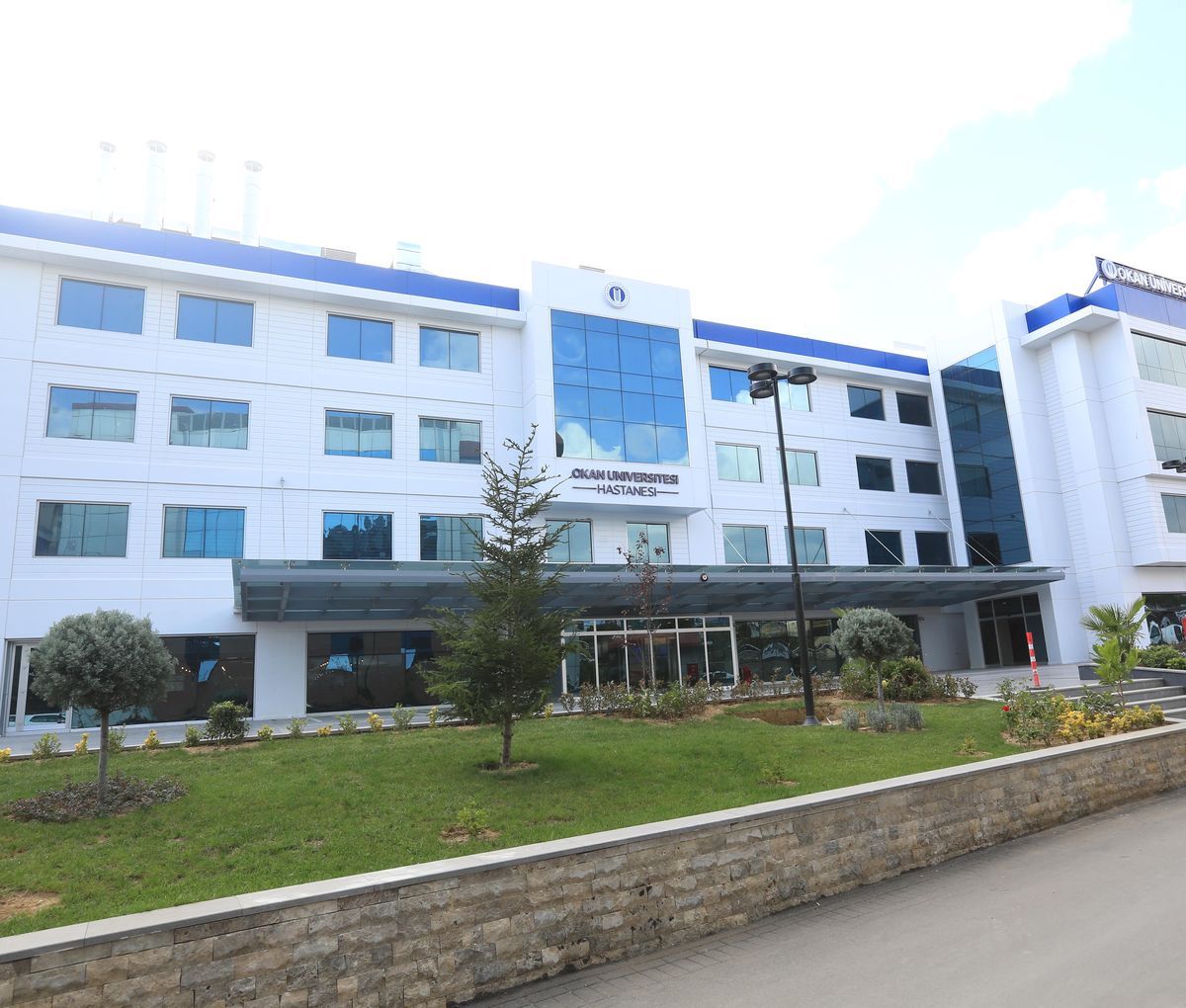
Check our licenceEach partner hospital's accreditation is named on its profile, with a link to the official register: TEMOS for Maltepe University Hospital, AACI for İstanbul Okan University Hospital.
Your surgeon is registered with the Turkish Ministry of Health. Surgeons in Turkey are not on the medical register of your home country, so ask your coordinator for their Turkish registration and specialist certificate.
Meet your surgeonFacilitators must give you a detailed breakdown of what you pay for, including accommodation, transfers and interpreting. Your written plan includes it.
Full price listGoing abroad does not change how an operation is done. It changes what happens around it: how much time you have to decide, who you can ask, and who checks your eyes afterwards.
The UK Royal College of Ophthalmologists recommends time to think before surgery. You get a written plan, then a video call with your surgeon at least 7 days before you fly.
Video call 7+ days beforeA photo of a prescription is a starting point, not a diagnosis. You have a full exam with scans in İstanbul, and your surgeon confirms or changes the plan before anything is done.
Full exam before treatmentYour plan and consent form are in English. A coordinator in your language comes to every appointment, with an interpreter if you need one.
Plan and consent in EnglishA 2025 study of 736 international patients at one İstanbul hospital found a median follow-up of 1 day, against 360 days for local patients. Your checks are planned for 12 months.
12 months of planned checksOur written complication policy says who treats you, who pays and how travel is arranged. You read it before you book.
Written policy up frontYou take home your surgery report and any lens details in English, for your own optician or GP, and for any doctor who sees you later.
Records in EnglishEach treatment has a planned stay, from 1 to 7 days in İstanbul depending on the treatment. Before you leave, your surgeon checks your eyes and confirms you are fit to fly.
Fit-to-fly checkA coordinator meets you, comes to every appointment and is on WhatsApp from 08:00 to 24:00, İstanbul time, in English, Ukrainian, German, French and Arabic.
A coordinator throughoutFollow-up study: Exploring Health Tourism and Corneal Refractive Surgery: Insights From a Single Referral Center, Beyoğlu Eye Journal, 2025. Early results and complication rates were similar for both groups; long-term follow-up was the gap.
Before you book with anyone, including us, read the independent advice: the NHS guidance on going abroad for treatment, and the UK Foreign Office's health advice for Turkey.
A good clinic or facilitator answers all of these in writing before you pay anything. Our answers are below each question.
Every eye operation carries some risk, in Turkey or anywhere else. These are the main ones for each family of treatments. Each treatment page explains them in more detail, and your surgeon goes through yours in writing before you book.
Common in the first months and usually settles with lubricating drops. Your eyes are tested for dryness before treatment.
Rings around lights are normal at first and usually fade over the following months.
Surface laser is more uncomfortable for the first 3–4 days, and there is a small risk of haze while the surface heals.
A few people need a small top-up treatment once their eyes have settled.
Flap problems apply to LASIK only. Infection and inflammation are treated with drops when caught early, which is why the next-day check matters.
Your scans before treatment screen for the risk, and you are not treated if it is raised.
Most likely in the first hours and days, which is why your pressure is checked after surgery and the next day.
A clouding of your own lens can develop over time. It can be treated with cataract surgery.
The risk of any surgery inside the eye. Drops, hygiene and early checks are how it is prevented and caught.
The lens stays in your eye, so the cells lining the inside of the cornea, your eye pressure and the lens position are checked once a year.
Common at first and usually fade over time. A small number of people find them bothersome for longer. If you drive at night for work, tell your surgeon before you choose a lens.
Months or years later, vision can cloud again. A quick laser treatment, which an eye clinic near you can do, clears it.
The risk is higher if you are young and short-sighted, which is why lens replacement is not usually advised for short-sighted people under 50. Learn the warning signs below.
The risk of any surgery inside the eye. Drops and early checks are how it is prevented and caught.
Usually settles over 1–2 weeks. Stitches come out on day 7, before you fly.
Most likely in the first weeks, which is why pressure checks near home are planned before you book.
If your surgeon uses gas, you cannot fly until it has gone, often 2–8 weeks. Your days are set by your surgeon, not by a standard plan.
The risk of any eye operation. Drops, hygiene and early checks are how it is prevented and caught.
Not everyone is suitable for eye surgery. If your exam shows a higher risk, your surgeon tells you, even if it means no treatment.
Who is not suitableMild scratchiness, watering, light sensitivity and halos at night are common in the first days and weeks. The signs below are different: get them checked the same day, wherever you are.
Do not wait for your next video check. Call 103 (ambulance) or 112 in Ukraine, 112 in the EU and the UK, or 998 for an ambulance in the UAE.
It is in English and says what was done and which lens was used. Keep a copy on your phone.
So your surgeon's team in İstanbul knows, and can share your records with the doctor treating you.
Licensed facilitator (AK-0706), part of Veon Health. We are not a clinic and do not give medical advice.
Your surgeon is responsible for your medical care, consent and follow-up.
It is part of the package price. You pay nothing extra to us.
Who treats you, who pays, and how travel is arranged. Read it before you book.
It can be. Laser and lens surgery are established operations. Your written plan names the laser and the lens model used for you, so you can compare them with any UK quote. The extra risks come from travelling: less time to decide, language, and follow-up once you are home. Check who your surgeon is, which hospital treats you, and who looks after you afterwards.
Eye surgeons in Turkey complete specialist training in ophthalmology and are registered with the Ministry of Health. Op. Dr. means a specialist surgeon; Prof. Dr. is a specialist who also holds a professorship. Your surgeon's profile shows his qualifications, and you speak to him on video before you book.
For anything urgent, go to your local eye casualty or A&E straight away, then tell your coordinator. Our written complication policy says who treats you, who pays and how travel is arranged if you need to come back. Enhancement and complication policy
The NHS gives emergency care to anyone who needs it. It may not provide planned follow-up or further treatment for surgery you chose to have abroad, which is why your follow-up is planned with your surgeon's team before you leave.
Usually not. Most standard travel insurance does not cover planned medical treatment. Look for a policy that covers travel for treatment, and check what it says about complications.
After laser and lens surgery, usually yes, once your surgeon has checked your eyes. That is why each stay ends with a final check before you fly. After retina surgery with a gas bubble you cannot fly until the gas has gone, often 2–8 weeks, so your surgeon sets your days.
No. We do not arrange cosmetic eye colour change, such as keratopigmentation or artificial iris implants. The American Academy of Ophthalmology has warned against these procedures because they put healthy sight at risk.
Our facilitator authorisation number is AK-0706, issued by the Turkish Ministry of Health to Veon Health. How to verify it

Send your prescription and your questions. An eye surgeon replies with your options and a written price.